Ornate Clipart Illustration for Embroidery Projects
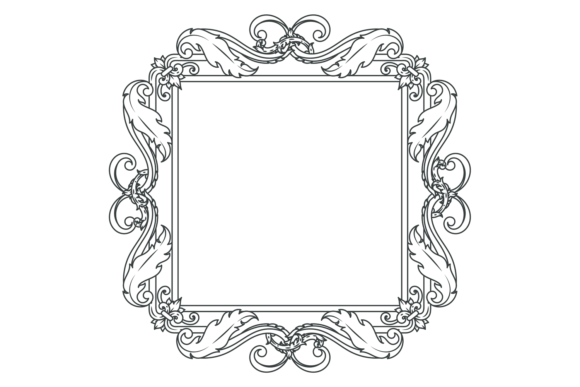
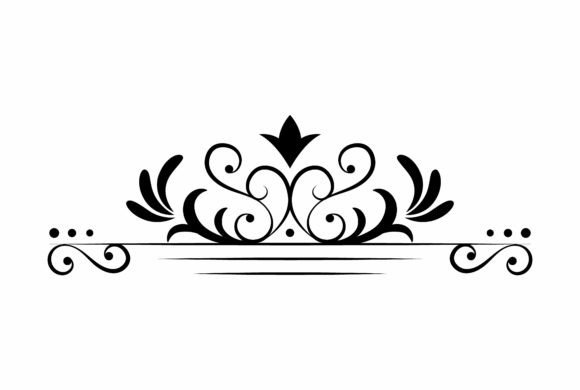
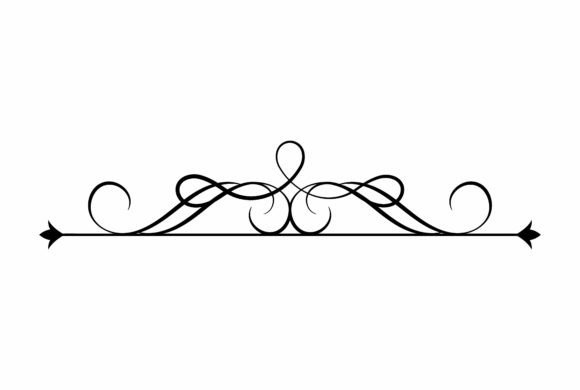
When I first opened the Ornate Clipart Illustration, I immediately pictured it stitched out in rich gold thread against a deep navy linen pillow cover. There is something quietly confident about a filigree ornament design that does not need to shout to be noticed. The black ornamental clipart illustration has a refined, almost vintage personality, with swirling motifs that feel both decorative and structured. It is the kind of design that would sit beautifully on a handmade table runner, a personalized tote bag, or a custom wedding gift without ever feeling trendy or disposable.
As someone who reviews embroidery-ready graphics with a practical eye, I care less about how a design looks on screen and far more about how it will translate into thread, stabilizer, and fabric. The ornamental layout of this filigree drawing suggests it was built with decorative repetition in mind, which is a good sign for embroidery use. The ornament clipart flows symmetrically, and symmetry often means predictable stitch paths and fewer awkward jumps. That matters when you are running a small craft business and cannot afford to waste time or materials on a design that fights your machine.
First Impressions of the Ornamental Design
The Ornate Clipart Illustration carries a classic ornamental mood. It reminds me of the kind of filigree detail you might see on an antique mirror frame or a wrought iron gate, simplified just enough to work as a graphic asset. The black ornament clipart treatment gives it strong contrast, which makes it easy to visualize for embroidery digitizing. The ornamental shapes are open enough to breathe, with enough interior detail to hold visual interest without becoming cluttered. That balance is harder to achieve than it looks, and I appreciate when a design does not overcomplicate itself.
For embroidery designers and Etsy sellers, this kind of oriental vector graphic sits in a sweet spot. It is decorative without being seasonal, which means it can live year-round in your product listings. You could use it on a spring market tote, a fall apron, a winter holiday gift, or a summer linen top, and it would not feel out of place. Versatility like that is what turns a single design purchase into a reliable workhorse for your handmade product line.
Where This Ornate Clipart Design Actually Belongs
I ran through my mental checklist of real-world embroidery projects while studying the ornate clipart illustration, and several applications stood out immediately. The filigree character lends itself to products where detail and craftsmanship are part of the perceived value. Here is where I would confidently place this design:
- Custom apparel — especially on sweatshirts, where the ornamental shape can sit centered on the chest or scaled down for a subtle sleeve accent
- Tote bag designs — a single-color ornamental motif on canvas or cotton twill reads as boutique-quality and intentional
- Pillow covers and home decor — the symmetry and filigree style feel elevated enough for living room or nursery decor
- Kitchen towels and aprons — paired with a simple monogram or left standalone, the ornamental design adds polish
- Embroidered patches — the defined silhouette would make a clean patch edge, and the internal detail would hold up well at patch scale
- Wedding and personalized gifts — think ring bearer pillows, handkerchiefs, or keepsake pouches with a timeless ornamental touch
- Small shop merchandise — from cap embroidery to blanket corners, the design's ornamental nature suits boutique branding
What I appreciate most is that the ornamental clipart does not lock you into one product category. A craft business owner could use it on baby embroidery items one week and holiday embroidery gifts the next, simply by adjusting thread color and fabric choice. That range matters when you are building inventory for craft fairs or refreshing your Etsy listings.
Practical Embroidery Considerations Before You Stitch
Here is where honest design evaluation matters. The Ornate Clipart Illustration looks promising on screen, but anyone who has spent time behind a machine knows that ornamental details can turn into trouble if you are not thoughtful about execution. Filigree designs often have thin connective lines, tight curves, and small negative spaces. Those are the exact spots where stitch density can pile up, fabric can pucker, or fine details can blur into an unrecognizable mess.
I would strongly recommend testing this ornamental design on scrap fabric before committing to a finished product. Run it on the same fabric type and stabilizer combination you plan to use for the final piece. Cotton canvas behaves differently than stretchy sweatshirt fleece, and a pillow cover fabric will not react the same way as a thin tea towel. If you are stitching on dark fabric, pay extra attention to thread contrast. The black ornament clipart version may inspire a monochromatic look, but embroidery thread needs to stand out enough to let the ornamental shapes read clearly.
Fabric and Stabilizer Choices That Actually Work
For a filigree drawing like this, I would lean toward medium-weight woven fabrics for the cleanest results. Linen, cotton twill, canvas, and quality quilting cotton all give the stitches a stable foundation. If you are determined to use the ornamental design on a sweatshirt or stretchy garment, a good cutaway stabilizer is non-negotiable. The design's ornamental details will not forgive sloppy hooping or insufficient support.
Textured fabrics like terry cloth or heavily napped fleece can swallow the finer filigree lines. If your product line includes kitchen towels or plush blankets, consider whether this particular ornamental clipart illustration will read clearly enough from a distance. Sometimes a design that looks intricate up close loses its definition when stitched on a textured surface. Test it, photograph it, and evaluate it the way a customer would.
Stitch Quality and the Visual Appeal of Finished Products
When a customer picks up a handmade product with an ornamental embroidery design, the first thing they notice is not the graphic itself. They notice whether the stitching looks clean, consistent, and professionally finished. The Ornate Clipart Illustration has the kind of visual structure that rewards careful digitizing. The filigree curves should flow smoothly in satin stitch, and the ornamental fill areas need balanced density to avoid pulling or puckering.
I think about the customer experience constantly. If someone buys an embroidered tote bag from your small shop and the ornamental stitching looks crisp and dimensional, they associate that quality with your brand. The next time they need a gift, they come back. The ornate clipart design becomes not just a graphic you purchased, but part of your reputation. That is why I always say: the design matters, but the execution matters more.
How Thread Color Changes the Entire Mood
One of the easiest ways to stretch the value of an ornamental clipart illustration is to experiment with thread color. The black ornament version works beautifully as a bold statement, but the same design stitched in metallic gold, soft ivory, dusty rose, or deep forest green becomes an entirely different product. For wedding embroidery, a pale champagne or silver thread transforms the filigree into something romantic. For holiday embroidery, a rich burgundy or emerald green shifts the ornamental design into festive territory without changing a single shape.
I keep a folder of stitch-out photos organized by thread color and fabric background. Buyers on Etsy and at craft fairs respond to variety, and showing the same ornamental design rendered in multiple palettes helps them imagine it in their own lives. The oriental vector graphic roots of this design give it enough structure to hold up across different color treatments, which is a genuine asset for a digital product seller.
Small Details, Big Impact on Product Value
One thing I have learned from years of reviewing embroidery designs is that tiny details can make or break the finished product. In the Ornate Clipart Illustration, look closely at the thinnest filigree connections and the smallest ornamental flourishes. If those details are too fine, they may not stitch cleanly at smaller hoop sizes. If the design is scaled down for a baby item or a cap embroidery project, test it at the reduced size before offering it in your shop.
Curved surfaces like caps and hats present their own challenges. Ornamental designs with strong symmetry can look off-center if the cap seam or curve pulls the design slightly. I always recommend doing a placement test on the actual garment, not just on flat fabric, when the product has a curved surface. The time spent testing pays off in customer satisfaction and fewer returns.
Licensing and Commercial Use Clarity
A practical note for anyone planning to use this ornamental clipart illustration for commercial embroidery projects: confirm the licensing terms before you sell finished products or include the design in digital product bundles. The product description mentions the filigree drawing and oriental vector graphic, but specific commercial use rights need to be verified directly with the seller or platform. I cannot speak to the exact license terms here, so please check whether your intended use, whether it is embroidered patches for sale, custom apparel for clients, or printable mockups for your Etsy listings, falls within the permitted scope.
Does This Ornament Clipart Deserve a Spot in Your Design Library
After spending time evaluating the Ornate Clipart Illustration, I believe it earns its place in a thoughtful embroidery designer's collection. The filigree style is timeless enough to avoid looking dated, and the ornamental layout works across enough product categories to justify the purchase. It is not a design that will sit unused in a folder, and for a small craft business, that practical return on investment matters.
The design's strength lies in its decorative restraint. It does not overwhelm the product it is stitched on. Instead, it adds a layer of craftsmanship that customers notice and appreciate. Whether you are building a handmade product line, creating personalized gifts, or expanding your embroidery project offerings, this ornamental clipart illustration brings a refined, professional presence that can elevate the finished piece.
Test it on your fabric, dial in your stabilizer, choose your thread colors with intention, and I suspect you will find yourself reaching for this ornamental design more often than you expect. The best embroidery assets are the ones that quietly become part of your go-to collection, and this filigree drawing has that kind of quiet, reliable quality written all over it.