Flat Art Deco Design Elements: Graphics & Illustrations
First Impressions of This Monochrome Geometric Collection
When I first opened the Flat Art Deco Design Elements set, I was immediately drawn to its crisp, unapologetic boldness. The collection is pure black, abstract, and flat—no gradients, no shading, just sharp geometric confidence. It feels like stepping into a 1920s boutique, where symmetry and clean lines command attention. For a handmade seller, this mood is gold. It instantly suggests a premium, elegant aesthetic that attracts buyers looking for something beyond cutesy or rustic. Think bridal parties, modern home decor enthusiasts, and boutique event planners. If you design for customers who love a touch of vintage glamour or want their small business branding to feel elevated and timeless, these graphics belong in your toolkit.
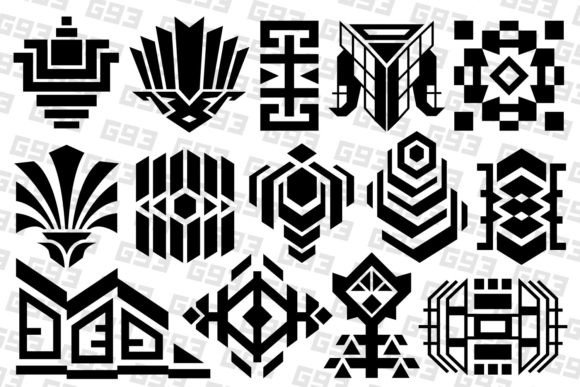
The set is described as an abstract, flat geometric vector design elements collection, and that’s exactly what you get. I see sunburst motifs, stepped arches, elongated diamonds, and intricate border patterns—all monochrome decorative elements that function like architectural jewelry for your projects. They aren’t fussy; they’re declarative. And because they’re delivered as vector files, you can scale them without losing that razor-sharp edge. This is a design asset that promises versatility, and as a maker who juggles everything from sticker sheets to sublimation tumblers, I need that reliability.
Designing a Cohesive Product Line for Markets and Etsy
Let me ground this in a real scenario. I’m prepping a seasonal collection for my Etsy shop and an upcoming craft fair. I want a signature look that ties together mugs, tote bags, greeting cards, and a set of planner stickers. I pull up the Flat Art Deco Design Elements and start layering the black geometric decorations over soft blush backgrounds on coffee mugs, then use the same border motif on a thank-you card insert. Instantly, my products feel like a family. The monochromatic nature of these illustrations makes it effortless to maintain a cohesive brand across completely different product types. A customer who buys a tumbler wrap might later recognize the same motif on a gift tag and feel that connection. That’s how you build a handmade business with repeat buyers.
For Cricut and Silhouette users, the SVG files are the star. I imported a few border designs into Cricut Design Space and cut them from glossy black vinyl. The lines were clean, the nodes were well-placed, and weeding was surprisingly smooth for such intricate patterns. I applied them to frosted glass jars and plain ceramic mugs, and the result looked like high-end boutique decor. Because the elements are flat and geometric, they also work beautifully for sublimation. I printed a repeating diamond pattern onto a polyester tote at 300 DPI, and the black remained deep and crisp against a heathered gray fabric. No pixelation, no bleeding edges—just a professional, print-on-demand ready finish.
Cutting and Printing: What I Look For Before Selling
Before you list a single product, you must test the design asset in your own environment. I always run a small batch of samples first. With the Flat Art Deco Design Elements, I checked the SVG lines for hidden open paths and found none. I also previewed the PNG files with transparency to ensure no white halo around the edges when placing them on dark mockups. The resolution held up for standard sticker sizes, but I’ll talk about resizing challenges in a moment. For now, know that the base files are solid enough for commercial crafting, provided you do your due diligence.
Where This Design Asset Truly Shines
If you create products that need a touch of decorative structure, this collection is a workhorse. I’ve used it for:
- Greeting cards and gift tags – A single elegant archway paired with a serif font makes a wedding card feel custom-letterpress.
- Tumbler wraps and mug designs – Repeating geometric borders give a sleek, contemporary look that appeals to both men and women.
- Sticker designs – The bolder shapes cut beautifully as individual die-cut stickers for planner shops or laptop decals.
- Party decorations – I scaled a sunburst motif to create a table backdrop and cupcake toppers for a Gatsby-themed event.
- Small business branding – Use the elements as logo accents, on packaging stickers, or as frame corners on a product information card. The monochrome palette keeps printing costs low and looks professional.
- Printable wall art – Pair a large geometric medallion with an inspirational quote, and you have an instant digital product for your Etsy printable shop.
Because the files are vector, these graphics excel in large-format cuts. I’ve seen crafters use them on wooden signs, canvas tote bags, and even as stencils for etching glass. The flat, filled shapes are also ideal for layering with metallic foils—just mirror the design onto heat transfer vinyl and you have a gold-on-black statement piece that sells at a premium.
Watch-Outs for Crafters and Small Business Owners
No design set is perfect for every application, and the Flat Art Deco Design Elements require a discerning eye in certain situations. Here’s where I’ve learned to be cautious:
- Very small cutting details – Some of the thinner line motifs or intricate corner pieces can become fragile when resized for mini stickers. If the stroke width drops below 1mm, your vinyl may tear or curl during weeding. Always test-cut a single item before committing to a full sheet.
- Layered vinyl projects – Because the elements are monochromatic, you might be tempted to stack them for a two-tone effect. The geometric precision is beautiful, but alignment is unforgiving. A tiny shift can ruin the symmetry. If you’re layering, use registration marks and a steady hand, or stick to single-color applications.
- Low-contrast products – Black decorations on a dark navy or charcoal product can nearly disappear. On a dark background, the design loses its punch. Either invert the colors (if your license allows) or use these illustrations on light, pastel, or metallic surfaces. I’ve had gorgeous results on soft cream, dusty rose, and even holographic vinyl.
- Crowded compositions – It’s easy to get carried away and layer four different borders on one mug. Less is often more. Let the art deco geometry breathe. A single, well-placed frame often looks more expensive than a cluttered collage.
Practical Tips for Mixing Fonts and Colors
One of the joys of working with monochrome graphic design asset sets is how they play with typography. I’ve found that the Flat Art Deco Design Elements pair beautifully with serif fonts like Didot or Playfair Display for a timeless, elegant feel. If you want a more modern, minimal look, a clean sans-serif font creates a sharp contrast. For wedding stationery or romantic card designs, a script font with delicate swashes balances the rigid geometry. And for a playful, handmade vibe, try a quirky handwritten font—the formality of the art deco shapes keeps the overall design from feeling too casual.
Don’t be afraid to place these black elements over a textured background or a subtle watercolor wash. I’ve used them on blush pink watercolor paper for printable wedding invitations, and the result was stunning. Just ensure your printer settings are calibrated for pure black, especially if you’re selling physical prints. A muddy black will cheapen the entire look.
The Real Value for a Handmade Business Owner
If you’re an Etsy seller, a craft fair regular, or a small business owner building a brand, the Flat Art Deco Design Elements bring a level of polish that’s often hard to achieve with hand-drawn doodles or generic clipart. They communicate intentionality. A customer browsing your shop will instantly perceive that your products are cohesive and thoughtfully designed. That perception can justify a higher price point. I’ve been able to charge $6 more for a set of six art-deco-themed coasters than I did for a plain set, simply because the design felt bespoke.
Moreover, the commercial license associated with a quality illustrations collection like this is crucial. Always verify that the license allows you to use the designs on physical products you sell, and under what conditions. Can you modify the elements? Can you use them in sublimation transfers? The set I’m reviewing includes a standard commercial use policy, but I always keep a copy of the license file in my project folder for peace of mind. If you’re uploading to a print-on-demand platform, double-check that the platform’s terms align with the asset’s license. This small step protects your business from unexpected takedowns.
For those who create printable products or digital downloads, the high-resolution PNGs and scalable SVGs are a dream. I’ve added a few of the border elements to a digital planner page template, and the file size remained manageable while the artwork stayed crisp. The monochrome palette also gives your customers the flexibility to add their own color accents if they’re using a digital editing tool. That versatility can be a selling point in your product description.
In my crafting journey, I’ve learned that the best design assets are those that don’t just look pretty on a screen but actually work hard in a production environment. The Flat Art Deco Design Elements have earned a permanent spot in my resource library. They’ve helped me create a signature line of products that feels upscale, cohesive, and unmistakably art deco—all while saving me hours of drawing time. Whether you’re cutting vinyl for a bridal shower order, designing a new tumbler wrap for your shop, or putting together a minimalist brand identity for your handmade business, this collection gives you a foundation of elegance that your customers will notice. Test it, pair it with intention, and watch your products transform into something that feels truly premium.