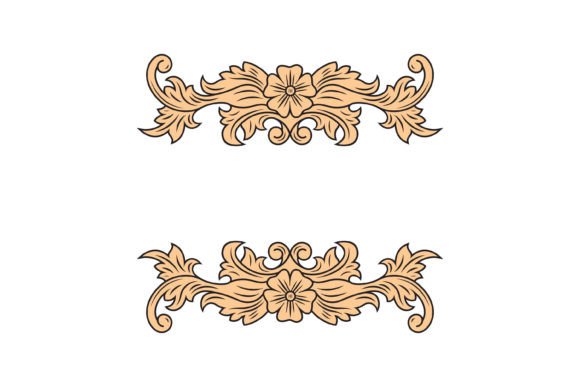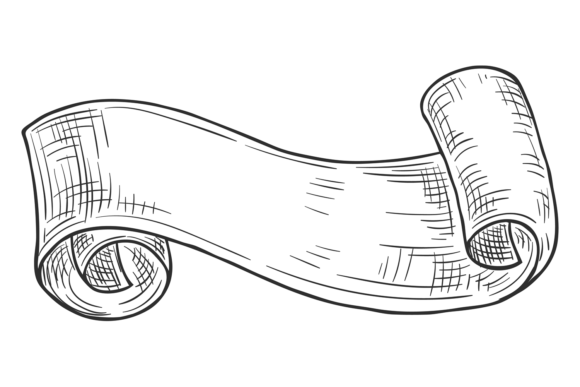
Vintage Banner Scroll Engraving. Decorat:Graphics & Illustration
When I first opened the Vintage Banner Scroll Engraving. Decorat file, I immediately pictured a warm, slow‑mornings bakery where every loaf feels like a gift. This isn’t a generic clipart piece. The engraving texture carries a hand‑pulled printmaking feel, the kind you’d find on a nineteenth‑century apothecary label or inside a family recipe book. For a local brand, that mood is a shortcut to trust. It whispers “heritage” and “craft” without shouting, and it instantly gives a small business an identity that feels more established than a two‑year‑old shop ever could.
I was evaluating this asset for a real project: a micro‑bakery that sells sourdough, seasonal pastries, and small‑batch jams at a weekend market. The owner needed label graphics, a reusable banner for the price board, and a decorative element for wrapping tissue. The product description says it’s a vintage banner scroll engraving — a decorative element template isolated on white, supplied as EPS, JPG, SVG, and transparent PNG. That versatility alone made it a contender. But the real test came when I dropped it into a live brand setting.
The First Impression: Handcrafted, Not Hippie
The engraving style is the star. Rather than a smooth digital ribbon, the lines have a slight irregularity, a subtle weight variation that mimics a copperplate etching. This gives the banner a tactile, organic warmth that pairs beautifully with rough paper textures, kraft stock, or even a soft off‑white background. The mood is heritage rustic, leaning toward a European bakery aesthetic rather than a country‑fair look. It suggests a brand personality that values tradition, slow process, and honest ingredients — perfect for a bakery, but also for a small‑batch skincare maker, a candle studio, or a florist that wants to feel more curated than cute.
I wouldn’t call it fully playful, nor strictly formal. It lands in a sweet spot: elegant yet approachable. The scroll shape itself is a classic heraldic motif, but the engraving treatment keeps it from feeling stuffy. For the bakery, it immediately conjured the kind of shop where the baker’s name is handwritten on the window and the paper bags are stamped with a simple crest.
Where This Design Asset Solves Real Branding Problems
In small business branding, one well‑chosen graphic can do the work of a dozen custom illustrations. The Vintage Banner Scroll Engraving. Decorat works as a visual anchor. I tested it across several touchpoints for the bakery project, and here’s where it performed strongest:
- Product labels. The banner naturally frames a product name. For a jar of rosemary honey, the scroll sat beneath the main text, holding the net weight and batch number beautifully. It added a finishing touch that lifted the jar from “homemade” to “artisan product.”
- Packaging accents. On a simple brown paper bag, the SVG version of the banner stamped in white or gold foil created instant shelf appeal. The transparent PNG made it effortless to overlay on product photos for social media.
- Promotional banners. The bakery’s weekend market chalkboard needed a price list. The scroll engraving framed the list header, giving the whole board a consistent, upscale‑market feel. Because the file is a vector, I could scale it up to board size without any quality loss.
- Thank‑you cards and hang tags. Small businesses often overlook these tiny details, but a thank‑you note with a discreet engraved banner can make a customer remember you. I used the EPS to create a small, elegant tag for the bakery’s bread bags, and the response was immediate: customers started photographing the packaging.
- Social media and website graphics. The PNG transparency let me layer the banner over food photography without harsh edges. It worked as a subtle frame for weekly specials, reusable across Instagram stories, posts, and the bakery’s simple website header.
Elevating the Brand’s Visual Hierarchy
The bakery’s old labels used a generic ribbon that blended into the background. This engraving changed that. The scroll’s dense linework creates a natural visual hierarchy — the eye goes to the banner first, then reads the text inside. This is crucial for product labels where you have seconds to catch a shopper’s attention. The asset helps build a consistent brand identity across different materials. When the same banner appears on a jar, a bag, and a flyer, it becomes a silent signature. Customers start recognizing the brand not by the logo alone, but by that specific decorative pattern.
This kind of consistency improves customer trust. A business that looks cohesive feels more professional, even if it’s run from a home kitchen. The engraving detail also suggests a higher product value. When I placed the vintage banner on a simple wax paper wrap, the bread looked like it came from a premium bakery. That’s the power of a well‑chosen graphic design asset.
When the Vintage Banner Works Best — and When to Be Careful
I’ve learned the hard way that not every decoration fits every surface. The Vintage Banner Scroll Engraving. Decorat shines in specific contexts, but there are times to hold back.
Ideal Applications
- Product labels with short, strong product names. The banner’s field is perfect for one to three words.
- Packaging accents on kraft, textured, or matte paper. The engraving lines hold up well on uncoated surfaces.
- Hero graphics for promotional posters, flyers, or market stall banners where the decoration can breathe.
- Boutique visuals for home décor, candle labels, handmade soap wrappers, and seasonal packaging. The scroll adds a festive, gift‑like quality.
- Thank‑you notes and inserts. The banner’s ornamental nature makes even a simple “thank you” feel special.
- Social media campaign graphics. Use it as a constant frame element to tie a series of posts together.
Use With Caution
- Very small labels. On a lip balm tube or mini jam jar, the intricate engraving can become illegible or look like a smudge when printed.
- Crowded packaging where multiple decorative elements compete. If you already have a complex illustration, adding this banner may create visual noise.
- Ingredient‑heavy layouts. If the legal text or ingredient list must be large, the banner’s field might not accommodate it without shrinking the text too much.
- Low‑contrast backgrounds. The linework is delicate. On a cream or beige background, it may disappear. Always test against your packaging color.
- Luxury minimalist brands. If the brand identity relies on extreme white space and thin sans‑serif fonts, an engraved scroll can feel too decorative. It belongs in a warm, tactile world, not a sterile one.
- Formal corporate branding. A law firm or medical practice would likely find this too ornamental. The asset’s personality is rooted in small‑scale, personable commerce.
Practical Designer Notes: Testing Before You Commit
Before I hand any asset to a client, I run through a checklist. For the Vintage Banner Scroll Engraving. Decorat, here’s what I recommend to any small business owner or designer:
- Test on real packaging mockups. Place the banner on a 3D jar or bag mockup. See how it wraps around edges. The engraving should hold its integrity at the final print size.
- Check black and white usage. Convert the design to one‑color. The linework should stay crisp. This matters for budget printing or foil stamping.
- Preview on small labels. Print a sheet of labels at actual size. The banner might need to be scaled up or simplified; the PNG version might lose detail, so use the vector file.
- Test with your brand colors. The scroll engraving can be recolored. Try it in your palette’s darkest shade, a metallic gold, or even a soft pastel. The EPS and SVG files allow easy color editing.
- Compare with competitor packaging. Look at similar products on the shelf. Does the banner differentiate your brand, or does it blend in? For the bakery, the engraving stood out among modern slick designs.
- Review print quality. The delicate lines may need a high‑resolution print. I suggest laser or offset printing for fine detail; inkjet can sometimes bleed on thin paper.
- Inspect the PNG transparency. The transparent PNG is great for digital use, but zoom in. The edges should be clean, with no white fringing. If there is, the SVG or EPS is your friend.
- Test font pairings. The banner demands type that matches its era. I tried it with a variety:
- Serif font: A classic Garamond or Caslon created a flawless antique book look.
- Sans serif: A clean, slightly condensed sans gave a modern‑heritage fusion — think hip coffee shop.
- Script font: A brush script or copperplate calligraphy turned the label into something bridal or celebratory.
- Handwritten font: A casual, marker‑style font clashed. The banner’s formal engraving needs a more structured companion.
- Display font: A bold serif display worked wonderfully for the hero word on a poster.
- Confirm commercial licensing. Before using this for any client work, physical product sales, or printed packaging, make sure the license covers commercial use. The asset itself is a graphic design asset meant for branding, but always verify the commercial license terms.
The Emotional Pull of a Vintage Engraving in Modern Branding
There’s a reason small businesses gravitate toward illustrations like this. In a sea of digital perfection, the Vintage Banner Scroll Engraving. Decorat offers something imperfect and human. It creates an emotional connection before the customer even reads a word. For the bakery, it wasn’t just about looking old‑fashioned. It was about communicating care — the same care that goes into a 36‑hour fermented dough. The scroll became a visual metaphor for the product: handcrafted, detailed, timeless.
When I see this asset used well, I think of a local florist who wraps bouquets in brown paper, seals them with a sticker bearing this banner, and suddenly the whole shop feels like a story. Or a candle brand that prints the banner on a vellum wrap, letting the flame flicker through the transparent engraving. These aren’t just decorations; they’re brand identity stitches that hold the whole experience together.
Why the Vintage Banner Scroll Engraving. Decorat Belongs in a Designer’s Toolkit
Every so often, I find a design asset that does exactly what it promises without needing hours of tweaking. This vintage banner is one of those. It’s not a full logo design solution, but it’s a brilliant building block. It works as a decorative brand element, a container for key text, and a subtle nod to tradition that modern consumers crave. For a small business owner who can’t afford a custom illustration, this one file can tie together packaging design, marketing visuals, and social media graphics with a single, cohesive thread.
The fact that it comes in multiple formats — EPS, SVG, JPG, and transparent PNG — means it’s ready for everything from printable design to web design. I’ve used it in product mockups, on Canva templates for quick social posts, and even in a simple editorial design for a bakery’s weekly menu. The vintage banner scroll engraving has become one of my go‑to illustrations for brands that need a touch of heritage without a complete rebrand.
If you’re a handmade seller, a boutique owner, or a packaging designer looking for a graphic design asset that adds instant polish, I’d recommend giving the Vintage Banner Scroll Engraving. Decorat a serious look. Test it on a few products, play with the color, and let it teach you how a simple engraving can turn a plain label into a promise of quality.