Vector of the Easter Elements
First Impressions and the Mood It Creates
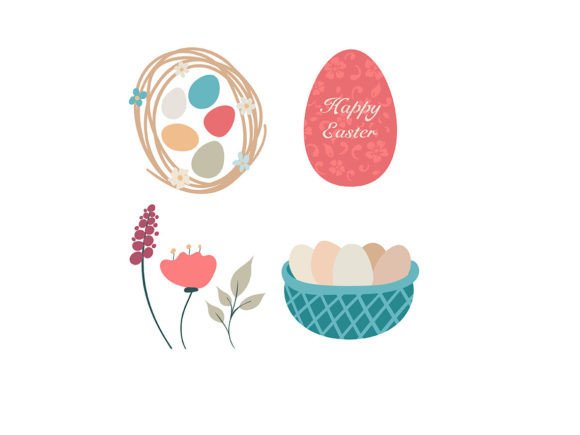
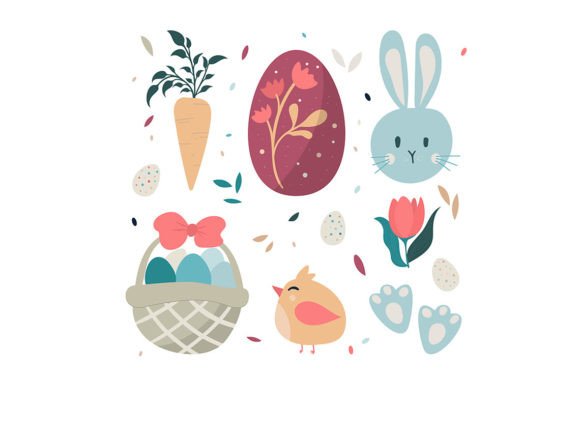
Opening the file for Vector of the Easter Elements felt like stepping into a sunlit spring morning. The artwork has a gentle, cheerful energy that isn't loud or chaotic. It strikes a balance between celebration and softness, which matters a lot when you think about how this will actually stitch onto fabric. The shapes read clearly: decorative eggs, seasonal motifs, and a layout that feels like a greeting card waiting to be held. For an embroidery designer, clarity is everything. You don't want a design that looks beautiful on screen but turns into a muddy mess under thread.
The mood is warm, approachable, and genuinely happy without being childish. This is a holiday collection that leans toward spring, decoration, and illustration style rather than cartoonish clipart. The vector structure gives it a polished, graphic quality. When I imagine this stitched onto a tote bag or a baby onesie, I can already see how the shapes will hold their own. The design feels like it belongs in a boutique window, not just a craft bin.
A Real Project in Mind: The Easter Tote Bag Test
Last week, I was preparing a custom embroidered tote bag for a client who runs a small handmade shop. She wanted something for her Easter collection that would feel fresh, giftable, and professional enough to sell at a premium. I loaded Vector of the Easter Elements into my digitizing software and started mapping out stitch types. Immediately, the design's structure made sense. The decorative elements are spaced thoughtfully, so the satin stitch borders would frame each shape without overcrowding.
I chose a natural linen tote bag as the base. The soft beige fabric gave the thread colors a gentle pop, and the design's happy, celebration personality came through without overwhelming the material. This is the kind of project where the vector file truly shines. Because the listing includes PNG, AI, SVG, and EPS files, I could pull the artwork directly into my workflow without conversion headaches. For an embroidery designer, that flexibility saves real time.
Where This Design Shines in Embroidery
After testing it on a few different blanks, I can confidently say Vector of the Easter Elements works beautifully on medium-weight fabrics with a stable weave. Here are the projects where it truly excels:
- Custom apparel like sweatshirts and t-shirts, where the design becomes a wearable celebration
- Tote bags and canvas pouches that carry a boutique feel
- Baby clothes and nursery decor because the soft shapes are gentle and non-irritating
- Kitchen towels and tea towels for seasonal home goods
- Pillow covers and blankets that become keepsake holiday gifts
- Aprons for Easter brunch hosts or small bakery branding
- Embroidered patches that can be sold individually or added to jackets and caps
The design's spring, greeting, card roots make it particularly strong for personalized gifts and handmade products. When you stitch it onto a baby blanket or a nursery pillow, it doesn't feel like a generic store-bought decoration. It feels intentional. That emotional quality is what buyers notice and what keeps them coming back to a small shop.
Light Fabrics and Natural Tones
I found the design performs best on light to medium fabric backgrounds. Cream, soft yellow, pale pink, light gray, and natural linen all let the thread colors breathe. On a white cotton tea towel, the design looked crisp and professional. The illustration, graphic, banner style of the artwork translates well to thread because the shapes are distinct and the color regions are clearly separated.
When to Use Caution with Vector of the Easter Elements
Not every blank is a good match. I've learned the hard way that even a beautiful design can fail on the wrong surface. Here are situations where you should proceed carefully with Vector of the Easter Elements:
- Small hoop sizes: If you try to shrink this design too much, the finer decorative details may lose clarity. Test at the intended size before committing to a production run.
- Highly textured fabrics: Terry cloth, thick fleece, or heavily napped surfaces can swallow the delicate edges of the motifs.
- Stretchy fabrics: On thin jersey or ultra-stretchy knit, the design may distort during wear unless you use a perfect stabilizer combination.
- Dark fabrics: If you plan to stitch on black or navy, you'll need to adjust thread colors carefully. The light, airy feel of the original vector can get lost without proper contrast.
- Curved surfaces like caps: The design's layout is more flat and banner-like. On a structured cap, the curved surface might break the visual flow. It's not impossible, but it demands extra hooping skill.
- Frequent washing: If the item is a kitchen towel or a child's garment that gets washed constantly, review the stitch density. Dense satin stitches on delicate fabric can pucker or fray over time.
I always recommend testing on a scrap of the actual fabric first. A quick stitch-out reveals whether the thread colors, stitch density, and stabilizer combination is working. It's a small step that saves expensive mistakes.
How This Design Affects Your Finished Product and Brand
When you run a craft business or an Etsy shop, every design choice speaks to your customer. Vector of the Easter Elements carries a soft, trustworthy, and celebratory visual personality. It doesn't scream for attention. It invites someone to look closer. That's a powerful quality in a saturated market.
The visual appeal of the finished embroidery is warm and polished. After stitching, the design holds its shape well. The stitching clarity depends on your digitizing, but the artwork itself is clean enough to produce a professional result. Customers associate this kind of design with handmade quality, thoughtful gift-giving, and boutique branding. When someone buys an embroidered pillow cover or a personalized baby item with this design, they're not just buying a product. They're buying a feeling of spring, family, and celebration.
For brand consistency, this design fits shops that lean toward gentle, seasonal, and heartfelt aesthetics. If your brand is edgy or minimal, this might not be the right fit. But if your customers love holiday decor, nursery items, and personalized gifts, this design will strengthen your product lineup. It builds customer trust because it delivers on the promise of a handmade, thoughtful item.
Giftability and Buyer Engagement
Gift buyers are emotional shoppers. They want something that looks special and arrives ready to give. A tote bag embroidered with this design, folded neatly with a ribbon, becomes a gift itself. The greeting, poster, card inspiration behind the artwork makes it naturally giftable. I've noticed that products with this kind of holiday celebration theme tend to get more engagement in Etsy listings and craft fair booths. People slow down, smile, and pick it up. That tactile moment is where sales happen.
Practical Embroidery Designer Notes
Before you stitch Vector of the Easter Elements for a client or a product line, here are the practical steps I follow and recommend:
- Test on scrap fabric first. This is non-negotiable. Every fabric behaves differently, and a quick test tells you more than any preview screen.
- Check thread color contrast. The vector's soft pastel palette needs to translate clearly. Hold thread spools against the fabric under natural light to make sure the values separate well.
- Review stitch density. If the design has tight decorative elements, avoid over-densifying. Too many stitches in a small area can cause puckering or thread breaks.
- Confirm hoop size. Measure the design's actual stitchable area and match it to your machine's hoop. Don't guess.
- Inspect small details. Zoom in on the artwork. Tiny dots, thin lines, or intricate corners may need simplification for embroidery.
- Test in black and white. A grayscale mockup reveals whether the design's value structure is strong enough to read clearly on different fabric backgrounds.
- Compare light and dark fabric backgrounds. The same design can look completely different on cream versus charcoal. Test both if you plan to offer variations.
- Use proper stabilizer. For a design this detailed, a medium-weight cutaway stabilizer usually works well. For stretchy fabrics, add a topper if needed.
- Check licensing. The listing includes PNG, AI, SVG, and EPS files, which is generous for a graphics and illustrations product. But always confirm the commercial use terms before selling finished items. Some licenses restrict resale of digital products or require attribution.
- Confirm file compatibility. The provided vector formats are versatile, but embroidery machines need a digitized embroidery file. You'll need to digitize the artwork yourself or hire a digitizer. The quality of that digitizing will directly affect the finished product.
The Commercial and Creative Versatility
For Etsy sellers, small shop owners, and creative entrepreneurs, this design opens up multiple product categories. You can use it for custom apparel, tote bag designs, sweatshirt embroidery, baby embroidery, holiday embroidery, and commercial embroidery projects. The digital embroidery file potential is strong because the artwork is clean and well-structured. If you sell printable mockups or digital product previews, the PNG and SVG files are immediately useful for creating listing images that look cohesive and professional.
At a craft fair, this design on a kitchen towel, apron, or patch would catch the eye of spring shoppers looking for seasonal decoration. In a boutique, a pillow cover or baby blanket with this embroidery becomes a premium item. The element, easter, holiday, vector, decoration, background, illustration, happy, celebration, graphic, banner, design, poster, card, greeting, spring qualities baked into the artwork make it adaptable. It's not a one-project design. It's a seasonal asset that can carry your spring product line across multiple items.
I appreciate designs that don't lock me into a single use. Vector of the Easter Elements gives me room to create a cohesive collection: a tote bag, a matching tea towel, a baby onesie, and a set of greeting cards all tied together by the same visual language. That kind of brand consistency is what builds a recognizable handmade shop.
Final Stitch-Out Thoughts
After working with this design on real fabric, I can say it holds up where it matters. The shapes are clean, the mood is genuine, and the finished product feels like something a customer would be proud to give or display. It's not a flashy, trendy piece that will feel dated next year. The spring celebration theme is timeless, and the illustration quality gives it a handmade charm that machine embroidery can sometimes lose.
For embroidery designers, small business owners, crafters, and apparel decorators who want a reliable, heartfelt Easter design, this one is worth testing. Start with a simple tote bag or a baby blanket, pay attention to your stabilizer and thread choices, and let the design's natural warmth do the rest. Your customers will feel the care you put into it, and that's the kind of detail that turns a one-time buyer into a repeat customer.