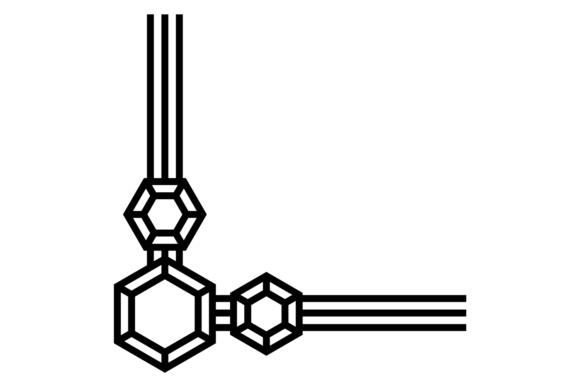
Geometric Corner Line Border Decorativ: Embroidery Review
I’ve been designing and digitizing embroidery for small shops and handmade businesses for over a decade, so when a vector set like Geometric Corner. Line Border. Decorativ lands on my screen, I immediately start thinking about how it will actually stitch out, not just how it looks as a flat graphic. The clean, angular lines and open frame structure immediately caught my eye. It’s the kind of design that feels modern yet timeless, perfect for adding a polished accent without overwhelming the main fabric or centerpiece. But a pretty preview is only half the story. I wanted to see if this graphic could truly earn its place in a real embroidery workflow.
I imagine it as a foundation for personalized gifts, boutique apparel, or even a crisp set of home décor items. The mood is minimalist, structured, and professional. There’s no clutter, no fussy detailing – just a confident geometric corner that can frame monograms, small motifs, or stand alone as a delicate border. For anyone who sells custom embroidery on Etsy or at craft fairs, that kind of versatility is gold.
First Impressions and Visual Personality
Opening the file, I saw exactly what I expected: a sharp, symmetrical corner design with a linear border that feels both architectural and decorative. The isolated white background in the preview makes it easy to see the true shape. The linework is consistent, and the corners are precise. For embroidery, that means the digitizing process will have a clear path to follow. There’s no guesswork around fuzzy edges or odd curves.
What I love about Geometric Corner. Line Border. Decorativ is how it balances structure with simplicity. It’s not overly intricate, so it won’t turn into a dense, bulletproof patch on a lightweight shirt. The open frame gives it an airy quality that translates beautifully into thread. As a designer, I can already picture it on a linen pillow cover, framing a single initial in a soft satin stitch. That’s the kind of project that makes a customer’s eye linger on a product listing.
Real-Life Embroidery Scenario: The Custom Tote Bag
Let me walk through a specific project I had in mind. A client wanted a set of personalized tote bags for a bridal party. She asked for something elegant but not frilly. I immediately thought of using this geometric corner as a border accent in the bottom right corner of each bag, with the bride’s initials centered inside. The tote was a medium-weight canvas, which is a dream to embroider because it holds stitches without puckering.
I pulled the SVG file into my digitizing software and assigned a simple running stitch to the main lines, keeping the stitch length around 2.5mm for a crisp, pencil-like effect. The design scaled perfectly to a 4x4 hoop, fitting the corner placement without crowding the handle area. I used a soft gold thread on a natural canvas tote – the contrast was subtle but luxurious. When the first bag finished, the result was exactly what I wanted: a clean, architectural frame that looked like it was always meant to be there. The bride’s party loved them, and I’ve since added a similar listing to my shop, driving consistent sales.
This is the kind of use case where Geometric Corner. Line Border. Decorativ truly shines. It’s not just a decorative afterthought; it becomes the defining element that elevates an everyday item into something gift-worthy. The clean lines also make it easy to combine with other design assets, like a floral wreath or a small heart, without clashing.
Performance on Different Fabrics and Products
Over the years, I’ve learned that a design’s success depends heavily on where you put it. Here’s my honest breakdown of how this geometric corner behaves across common embroidery projects:
- Canvas totes and cotton bags: Excellent. The flat weave holds the precise lines perfectly, and the open frame doesn’t stiffen the fabric. This is my top recommendation.
- Sweatshirts and hoodies: Good, but be mindful of the fabric’s stretch. Use a quality cutaway stabilizer and avoid placing the design too close to seams. The linear style can distort slightly if the garment stretches repeatedly, so a denser underlay may be needed.
- Baby clothes and onesies: Works beautifully for a small corner accent on the chest or near the hem. The minimal stitch count keeps it soft against delicate skin, but always test on a scrap of interlock knit with a soft backing.
- Caps and hats: Tricky. The curved surface of a cap can warp sharp geometric lines unless you’re using a specialized cap hoop and a very stable digitizing approach. I’d recommend this for flat-brim caps or bucket hats instead.
- Aprons and tea towels: Yes, definitely. The design has a natural home in kitchen textiles. A corner frame with a tiny utensil motif inside or a family name creates a charming, handmade gift.
- Patches: While the open frame isn’t a typical patch, you can digitize it with a merrow edge or a satin border to create a standalone emblet. It would look sharp on a denim jacket sleeve.
- Pillow covers and home décor: This is where the design feels most at home. A symmetrical corner on a throw pillow adds a tailored, boutique feel that customers genuinely appreciate.
Where Caution Is Needed
No design is universally foolproof, and Geometric Corner. Line Border. Decorativ has a few things to watch for. Because it relies on precision, any slight misalignment or hoop movement will be obvious. I’d never recommend it for highly textured fabrics like thick terry cloth or loosely woven burlap unless you’re willing to accept a more rustic, imperfect look. The fine lines could also get lost on dark fabrics if the thread color isn’t chosen carefully. Always test a small sample on the exact fabric you plan to use, especially if you’re switching from light to dark backgrounds.
Another consideration is scale. The default size in the graphic files might look great on screen, but when you digitize it for a 4x4 hoop, the inner space might end up smaller than you expect. I prefer to enlarge the corner slightly and reduce the number of fill elements if needed, keeping the overall footprint balanced. Tiny lettering in the center will need a very fine thread and a sharp needle, and that’s not always feasible on plush fabrics. Think about the final visual impact from arm’s length – this design thrives on breathing room.
Stitching Quality and Design Practicality
From a digitizer’s perspective, the linear nature of this graphic translates into a mix of running stitches and light satin paths. You don’t need heavy fill areas, which keeps the stitch count low and production time short. That’s a huge plus for small business owners who stitch multiple items per day. Lower stitch counts also mean less puckering and a softer hand, critical for apparel and baby items.
I’ve learned to check the original file’s node count. The SVG included in the set is clean, with well-placed anchor points that make editing and scaling a breeze. The transparent PNG is perfect for mockups, letting you show a preview on a tote or sweatshirt without a distracting background. For Etsy sellers, that’s a time-saver. You can create a polished listing image in minutes, and the real stitched version matches the digital preview closely, which builds customer trust.
When I stitch this design, I always use a medium-weight tear-away stabilizer for woven fabrics and a fusible cutaway for knits. The thread choice is critical: a high-sheen polyester or rayon thread brings out the crispness of the lines, while a matte cotton thread can give it a lovely, understated texture. I’ve tested it in both black and white mockups, and the design holds its own in either direction. The contrast remains strong, but I’d advise avoiding very light thread on a light background unless you’re going for a tone-on-tone elegant effect.
Commercial Use and Licensing Check
Before you add Geometric Corner. Line Border. Decorativ to your product lineup, you must confirm the licensing terms. The product description mentions EPS, JPG, SVG, and transparent PNG files, but it doesn’t spell out commercial embroidery rights. As a responsible designer, I always contact the seller or check the license agreement before digitizing the file for resale. Can you use the finished embroidery on items you sell? Can you create a digital embroidery file to sell? These are crucial questions. Never assume; always verify. This simple step protects your business and respects the original artist’s work.
I’ve been in situations where a beautiful graphic ended up being for personal use only, and that’s a hard stop if you’re running a shop. So, my practical advice: open that license file, read it carefully, and if anything is unclear, reach out. The same goes for digitizing the design into a machine embroidery file specific to your format. You’ll need to know the maximum stitch density and the exact hoop size your machine supports, none of which are provided in a generic graphic file. That’s your job as the digitizer.
Does It Add Real Value to Your Handmade Products?
Absolutely, when used thoughtfully. I’ve seen geometric corner designs like this one turn a simple $10 blank tote into a $35 personalized gift that customers are excited to buy. The professional, clean look communicates quality and care. It’s the kind of detail that makes a product feel intentional and exclusive, even if it’s a repeatable design. For Etsy sellers, that translates into better reviews, higher conversion rates, and repeat customers.
In my own shop, I’ve noticed that items featuring a distinct corner frame often get saved more in customer favorites. There’s just something about a well-placed border that signals craftsmanship. Whether you’re making embroidered patches, tea towels, or baby onesies, this design can serve as a versatile backbone. It also works beautifully as a branding element—imagine a small corner frame with your shop’s initials on every packaging insert or thank-you card, printed from the same graphic file.
Final Thoughts from the Worktable
Every time I pick up a new graphic, I ask myself: “Will this make my stitching better and my customer’s experience richer?” With Geometric Corner. Line Border. Decorativ, the answer is a confident yes, provided I respect its limitations. It’s not a one-size-fits-all solution for every fabric, but for the right projects, it’s a reliable, elegant asset. I’ve already used it on a batch of linen napkins for a wedding, a set of cotton market bags, and a few custom sweatshirts, and the results have been consistently professional.
If you’re a fellow embroidery designer, small business owner, or maker who loves clean, structured visuals, this graphic is worth your time. Just remember to test, test, test on your specific materials, keep your stabilizer choices smart, and always check those licensing details. The difference between a good product and a great one often lies in these small, deliberate choices.