Classic Ornamental Style Art: A Designer's Real-Talk Review
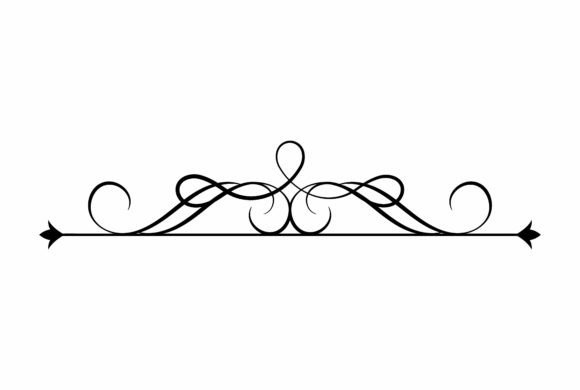
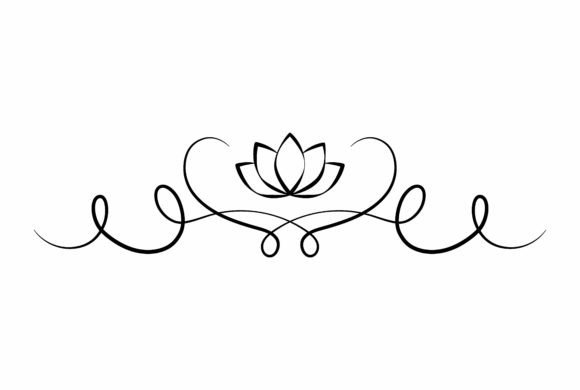
I have spent years testing designs across different embroidery machines, fabric types, and project scopes. When I first opened Classic Ornamental Style Art, I immediately recognized the kind of filigree drawing that catches the eye of someone browsing a craft fair table or an Etsy shop. The black ornament clipart aesthetic has a timeless quality, and this particular ornamental design carries a quiet sense of refinement that feels more intentional than a lot of what I see floating around in digital marketplaces.
What stood out to me right away was the balance between density and breathing room. The filigree curves are ornate without becoming cluttered, and the overall silhouette has enough structure to hold its own on a finished product. If you are a small business owner or an embroidery designer looking for a graphic that can anchor a product line, this one deserves a closer look. But as with any design asset, the real test is not how it looks on a screen. It is how it behaves under thread, on fabric, and in front of a customer.
The First Impression and the Mood It Creates
There is something quietly confident about Classic Ornamental Style Art. The ornamental design carries a nod to oriental vector graphic traditions, but it does not lean so hard into cultural specificity that it becomes niche. Instead, it reads as versatile, almost architectural in its symmetry. The black ornament clipart presentation suggests a design that would digitize cleanly, with clear boundaries between positive and negative space. That is a big deal when you are thinking about stitch density and fabric show-through.
For me, the mood lands somewhere between vintage elegance and modern minimalism. It could easily sit on a boutique pillow cover or a high-end tote bag without feeling out of place. I could also picture it on a set of embroidered tea towels for a wedding gift or a holiday market table. The filigree drawing has enough personality to feel intentional, but it is not so loud that it would clash with other design elements if you wanted to pair it with lettering or a secondary motif.
A Real Project Scenario: The Custom Tote Bag Test
Let me walk you through a scenario I kept coming back to while evaluating this design. I imagined a small handmade shop owner preparing for a spring craft fair. She wants a signature product, something that feels elevated but not fussy. She settles on a line of canvas tote bags with a single embroidered accent on the front pocket. She needs a design that stitches out cleanly, looks professional, and gives customers a reason to stop and touch the fabric.
Classic Ornamental Style Art would be a strong candidate for exactly that kind of project. The filigree drawing would sit beautifully on a medium-weight canvas, especially in a tonal thread color like charcoal on natural cotton or soft gold on deep navy. The ornamental design has enough detail to feel premium, but the overall shape is compact enough to fit comfortably within a standard hoop size. I would absolutely test it on scrap fabric first, checking how the inner curves and fine lines translate to actual stitches. But the visual promise is there, and that is half the battle when you are building a product line from scratch.
Where This Design Shines in Embroidery Projects
Over the years, I have learned that not every beautiful graphic makes a beautiful embroidered product. Some designs are too dense, some are too sparse, and some lose their identity entirely once thread replaces pixels. Based on what I see in Classic Ornamental Style Art, here is where I would expect it to perform best.
Custom Apparel That Feels Thoughtful
On a sweatshirt or a relaxed-fit t-shirt, this ornamental design would add a touch of polish without screaming for attention. I would place it on the left chest or the upper back, keeping the scale moderate. The filigree lines would need a stable backing, especially on knit fabrics that want to shift under the needle. A medium-weight cutaway stabilizer would be my starting point, and I would run a test stitch on a similar fabric weight before committing to a batch of finished products.
Home Decor and Giftable Textiles
This is where Classic Ornamental Style Art really clicked for me. Pillow covers, tea towels, table runners, and even simple linen napkins would all benefit from the understated elegance of this filigree drawing. The black ornament clipart aesthetic translates naturally to embroidery on natural fibers, and the design feels substantial enough to anchor a product on its own. For a wedding gift set or a holiday collection, I could see this working across multiple coordinating items, creating a cohesive brand look that customers would recognize and return to.
Patches and Small Accessories
If you are into making embroidered patches, this design is worth testing. The ornamental shape has a natural border quality that would frame nicely on a circular or oval patch backing. Keep in mind that small details in the filigree drawing might need to be simplified if you are working at a very reduced scale. I would not go below a three-inch width without carefully reviewing how the inner lines hold up. For caps and hats, the curved surface introduces additional complexity, so I would recommend testing placement and stitch direction before offering it as a standard option in your shop.
When to Use Caution and What to Watch For
I want to be honest about the limitations I see, not because the design is flawed, but because every embroidery project has constraints that matter. Here are the situations where I would approach Classic Ornamental Style Art with extra care.
- Small hoop sizes: The filigree details may become muddy if the design is scaled down too aggressively. Test at your intended size before listing it as an option for baby clothes or small accessories.
- Thin or stretchy fabrics: Lightweight jersey, rayon, and delicate blends can pucker under dense stitching. Use a quality stabilizer and consider a topper if the fabric has a nap or texture.
- Dark fabric backgrounds: The black ornament clipart aesthetic works beautifully on light and medium tones, but on dark fabrics, you may need to adjust thread colors significantly to maintain contrast and readability.
- Curved surfaces like caps: The symmetrical nature of the ornamental design means any distortion from a curved surface will be noticeable. Take your time with placement and hooping.
- Frequent washing: If the finished product will be laundered often, check your thread choice and stitch density. A dense satin stitch on a high-use item like a kitchen towel should be tested through multiple wash cycles.
Stitch Quality and Visual Appeal on Finished Products
One of the things I pay close attention to as a reviewer is how a design affects the perceived value of a finished product. A well-executed embroidery project signals quality to a customer within seconds. Classic Ornamental Style Art has the kind of visual personality that makes a handmade product feel intentional and professional. The filigree drawing creates a sense of craftsmanship that customers associate with care and attention to detail.
When I think about brand consistency, this ornamental design could easily become a signature element across a small shop's product range. The same motif on a tote bag, a matching pouch, and a coordinating pillow cover tells a cohesive story. Buyers notice that kind of consistency, and it builds trust. It also makes your product photography more compelling, especially in printable mockups where the design needs to read clearly even at a glance.
Practical Designer Notes for Real-World Use
Before you load Classic Ornamental Style Art onto your machine and start stitching, there are a few practical steps I always recommend, and they apply here as much as anywhere.
- Test on scrap fabric first. Do not let your first stitch be on a finished product. Use the same fabric type and stabilizer you plan to use for the final piece.
- Check thread color contrast. What looks good on a screen may not translate perfectly to thread. Test a few thread color options, especially if you are deviating from the black ornament clipart presentation shown in the listing.
- Review stitch density. If the design is provided as a graphic rather than a ready-to-stitch embroidery file, you will need to digitize it or have it digitized. Pay close attention to how the filigree lines are converted into stitch paths.
- Confirm hoop size compatibility. Measure the design dimensions and make sure they fit your available hoop sizes with room to spare for proper hooping.
- Inspect small details in test stitch-outs. Look closely at the inner curves and delicate connectors in the ornamental design. If anything breaks or looks unclear, adjustments may be needed.
- Test on both light and dark backgrounds. The design may need different thread colors or density adjustments depending on the fabric color beneath it.
- Use proper stabilizer for your fabric type. This is not a place to cut corners. A good stabilizer can make the difference between a professional finish and a product you cannot sell.
- Check licensing terms before selling. Since this is listed as a graphic in the Illustrations category, confirm whether commercial use for finished products is permitted, and understand any restrictions before you list items in your shop or offer them as part of a custom order.
Would I Use This for My Own Projects?
If I were building a small collection of handmade products for a boutique market or an Etsy shop, I would absolutely consider Classic Ornamental Style Art as a foundational design asset. The filigree drawing has a classic appeal that does not feel tied to a passing trend, and the ornamental design is versatile enough to move across product categories without losing its identity. The oriental vector graphic influence adds a layer of visual interest that sets it apart from more generic ornamental clipart options I have seen.
For craft business owners and creative entrepreneurs who want to elevate their product line, this is the kind of design that helps justify a higher price point. It communicates quality, and in a crowded market, that matters. Whether you are stitching on totes, sweatshirts, aprons, or nursery decor, the finished product will speak for itself if you take the time to test, adjust, and refine the execution.
At the end of the day, Classic Ornamental Style Art is not just a pretty graphic. It is a tool for building something your customers will want to own, gift, and remember. And from where I sit, that is exactly what a good embroidery design should do.